We built the China fulfillment platform we wished existed.
Peregrine Ship is the sourcing, warehousing, and fulfillment platform behind 1,000+ Shopify stores. One owned warehouse in Shenzhen, 30,000+ verified factories, branded tracking that hides the China leg. Built by operators who ran their own stores first.
Direct relationships. No middle-man, no agent markup.
Local carrier on every tracking page.
Measured per package, not per shipment.
Door-to-door, factory to your customer.
Built by operators who ran the stores first.
Every store kept hitting the same wall.
Years of running our own dropshipping and DTC stores ended at the same place: the supplier. Late shipments. Wrong products. Zero visibility. Quality that looked nothing like the listing photos. Suppliers who disappeared the moment something went wrong.
The pattern was clear. The front end of ecommerce was getting easier every year. The back end was still held together with WhatsApp messages and prayer. So we went to the source.
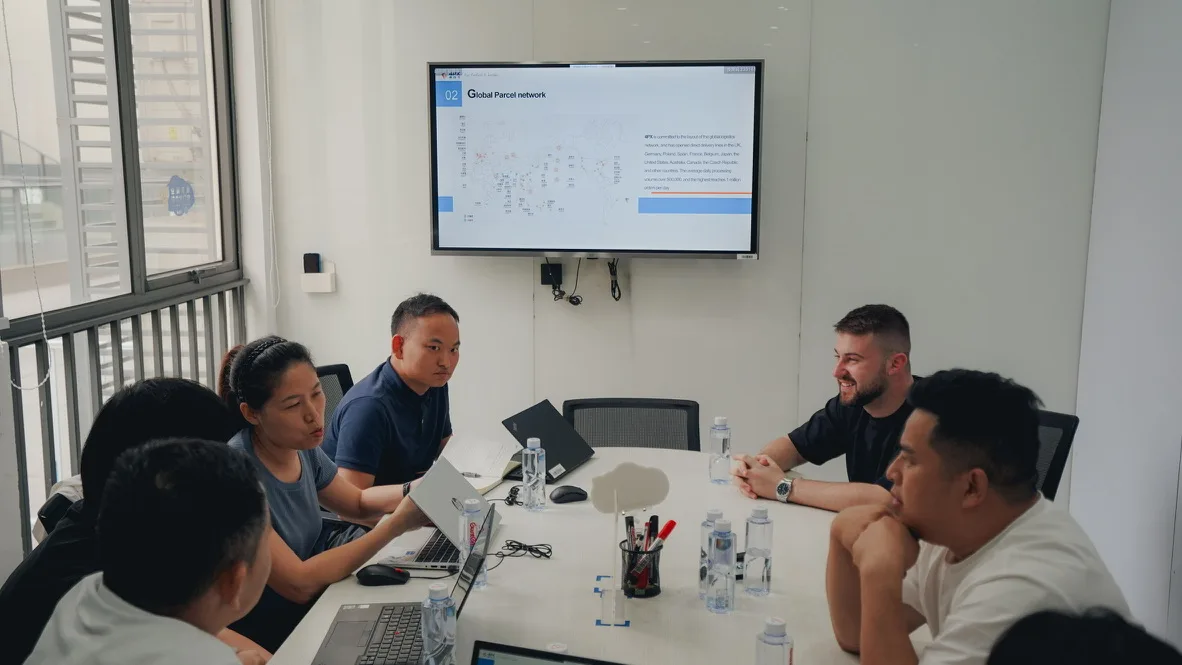
In 2023, we set up in Shenzhen.
Shenzhen is the ecommerce capital of the world. Not Silicon Valley. Not New York. Shenzhen. The operators actually moving product, the ones doing seven and eight figures a month without posting about it, live and work there. Most of them do not speak English.
The gap on the ground was obvious. On one side: thousands of factories making good products at factory-floor prices, the kind of suppliers Chinese operators were using to build eight-figure businesses. On the other side: Western dropshippers and DTC brands paying 3x markups through trading-company resellers, with zero visibility into their supply chain.
That gap is what Peregrine closes. Direct factory relationships, in-house warehouse, branded fulfillment, all on the same dashboard.
The fulfillment company is the software.
Every layer of the operation runs on in-house tech. Roadmap moves in days, not quarters. No vendor that can raise prices, deprecate an API, or push an update that breaks your store overnight.
Own WMS
Warehouse operations: inbound, scanning, QC, bin locations, outbound. Built for how a Shenzhen warehouse actually runs, not how an ERP vendor thinks it should.
Own OMS
Order management: Shopify sync, auto-routing, factory confirmation, status events. Every order tracked end to end inside one system.
Own TMS
Transportation management: line-haul out of China, last-mile handoff to USPS, Royal Mail, Australia Post, La Poste, DHL, FedEx. Route auto-selected per destination.
PST tracking
Dedicated tracking domain at track.peregrineship.com. Full journey or last-mile only. Hides the China leg so customers see the local carrier on every event.
Sourcing Panel
Direct integration with Chinese domestic B2B platforms. Product data, factory price, weight, and shipping pulled automatically. No copy-paste, no 48-hour quote delays.
Client Dashboard
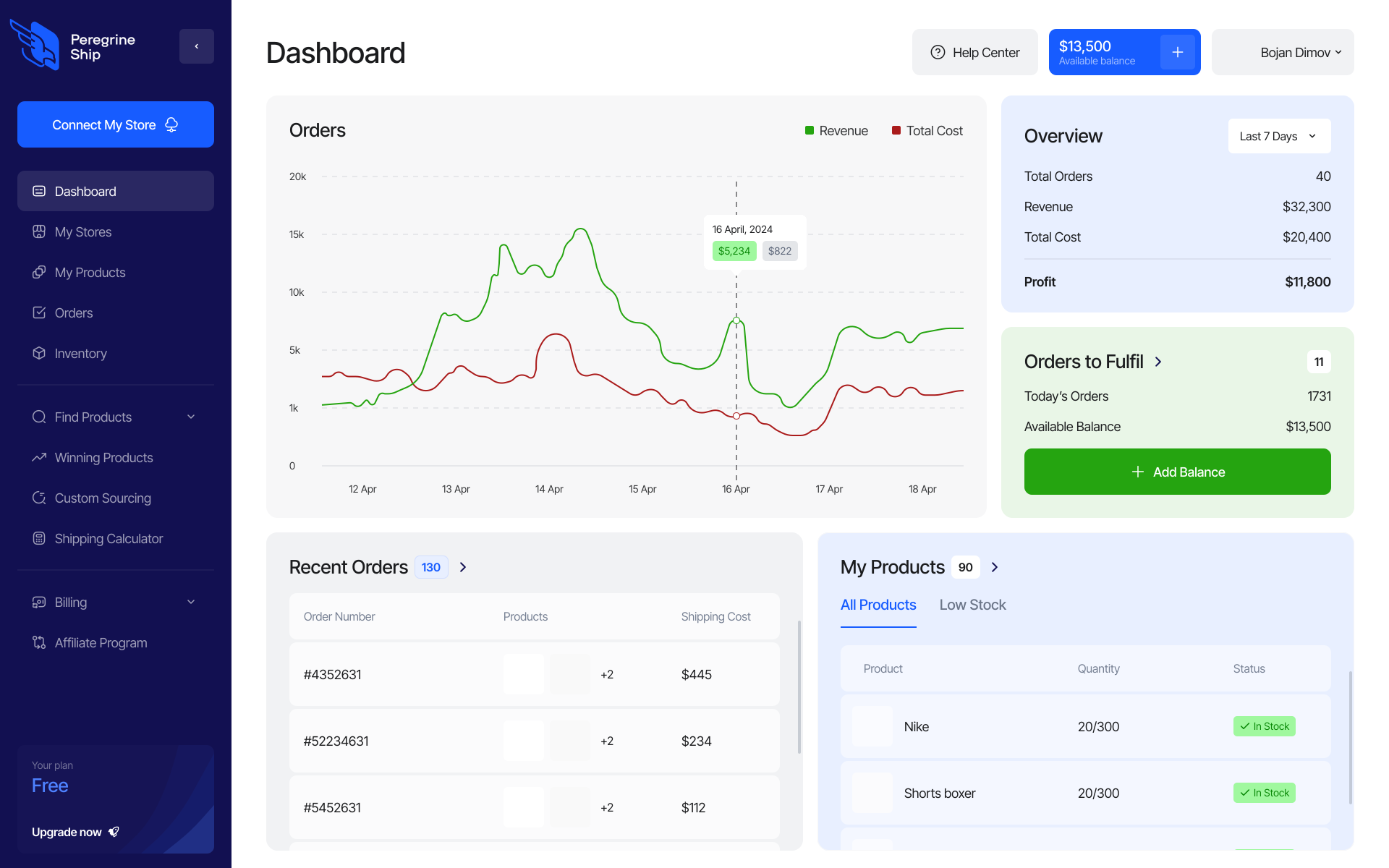
Orders, balance, analytics, cost breakdowns, inventory, custom packaging. One screen. Same data model as the ops console, scoped to your account.
Shopify App
Live on the Shopify App Store. Direct install, OAuth handshake, order sync. No middleware, no Zaps, no spreadsheet exports.
Customs paperwork
HS codes auto-attached per destination. English declaration names editable per parcel. Chinese product names for clearance. Boring infra that prevents the worst customer reviews.
One warehouse. 190+ countries.
Bao'an district, Shenzhen, minutes from the factories that build most of the world's consumer products. One facility, one inventory, zero cross-warehouse drift. Orders confirmed by lunch ship by dinner. Door-to-door averages 6.6 days.
The bet is geography. Building the platform inside the supply chain instead of 8,000 miles away means QC happens before production wraps, not after the parcel lands at a customer's door. End customers see their local carrier on the tracking page. Not the China carrier. Not Peregrine.
- HQ: Shenzhen, China (operations + engineering under one roof)
- Last-mile: 65+ countries with named local carriers
- Delivery reach: 190+ countries worldwide
- Avg dispatch + transit: 6.6 days door-to-door
- Founded: 2023
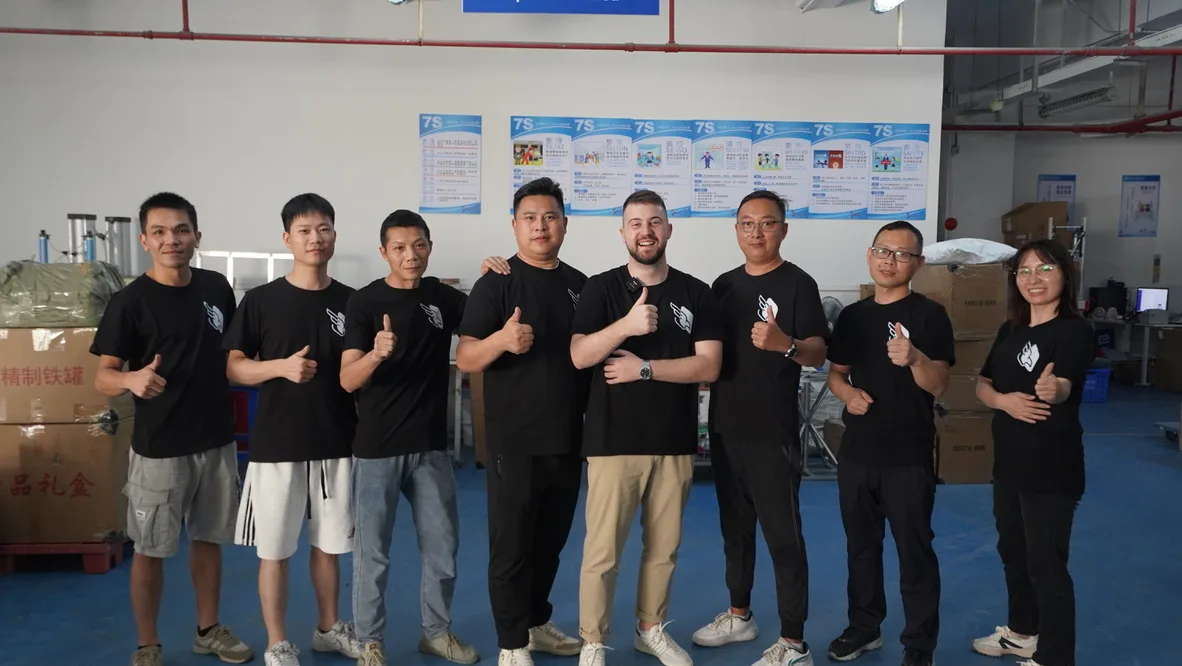

Operator-turned-founder. Built the fulfillment stack he wished existed when he was running his own Shopify stores. Spends most days inside the Shenzhen warehouse and on factory calls. The longer story lives on the founder page and the founder essay.
Six principles, no exceptions.
Own the tech.
Every layer of the stack is built in-house. Nobody else's roadmap, nobody else's pricing, nobody else's outage.
No hidden fees.
Per-order rate shown in the dashboard before you confirm. Stripe fees passed through at cost. No surprise invoices, ever.
No contracts, no minimums.
Free plan covers unlimited orders. Cancel from the dashboard, no offboarding call required.
Real operators, not chatbots.
First intro call is with a human who has actually shipped orders. Same on every escalation after.
Sub-24h dispatch SLA.
Miss it on a stock-confirmed order because of an operations error, and the per-order rate gets credited back. A real refund, not a sorry email.
Transparency is the moat.
Real shipping costs. Real factory prices. Real warehouse problems when they happen. Published on the record because nobody else in this industry will put it there.
Five questions, answered.
Why Shenzhen and not a US or EU warehouse?
90% of dropshipping and most DTC inventory still ships from China. Putting the warehouse 40 minutes from the factories is the only way to compress the supplier-to-dispatch leg from 14 days down to 6.6 days. Pair that with 65+ local last-mile carriers, and the end customer sees USPS, Royal Mail, La Poste, or DHL on their tracking, not a Chinese carrier.
Who runs Peregrine? Is the founder still involved day-to-day?
Bojan Dimov founded the company and still runs it. He spent six years scaling Shopify stores before building Peregrine because the existing fulfillment options were the bottleneck. He replies on WhatsApp, takes intro calls personally, and is on the warehouse floor in Shenzhen most weeks. Read the founder story.
How is this different from ShipBob, Flexport, or ShipMonk?
ShipBob and ShipMonk are US-side 3PLs. You still need to source from China, import into a US bonded warehouse, and pay tariffs upfront on inventory that may not sell. Flexport is freight forwarding, not fulfillment. Peregrine is a single stack: sourcing from 30,000+ verified factories, an owned warehouse beside them in Shenzhen, and direct international dispatch to 190+ destinations. One bill, one dashboard, no second 3PL.
Why build your own warehouse instead of partnering with one?
Because partner warehouses were the bottleneck on the operator side first. SLAs missed, no real inventory data, blind dispatch. Owning the building means owning the WMS, the pick lists, the QC pass, the dispatch SLA, and the data going back into your Shopify. When something breaks, the fix happens here instead of escalating into a black box.
Do you only work with dropshippers, or also serious DTC brands?
Both. The same warehouse, the same dispatch SLA, the same dashboard. Dropshippers start on per-order with no inventory commitment. DTC brands graduate to bulk inventory with custom packaging, custom mailers, and inserts when their volume justifies it. The system was built to grow with the brand, not to fork into two products.
Talk to the team.
Connect your store, book a call, or email us. Real operators answer.